
September often begins with good intentions. New notebooks are still clean, schedules look organized, and studying early seems completely realistic. Then classes pick up, group projects appear, and the apartment starts serving as a kitchen, social space, gym recovery zone, and classroom all at once. Building a study routine at home can help. For people living in apartments Morgantown students choose near WVU, the most effective setup is usually simple enough to maintain after the first busy week.
Give Studying a Specific Place
Choose one area where schoolwork happens most often. It might be a desk in the bedroom, a corner of the living room, or a community study space. The location does not need to look like a perfect home office. It only needs enough light, a comfortable seat, access to power, and a surface that is not constantly being cleared for meals.
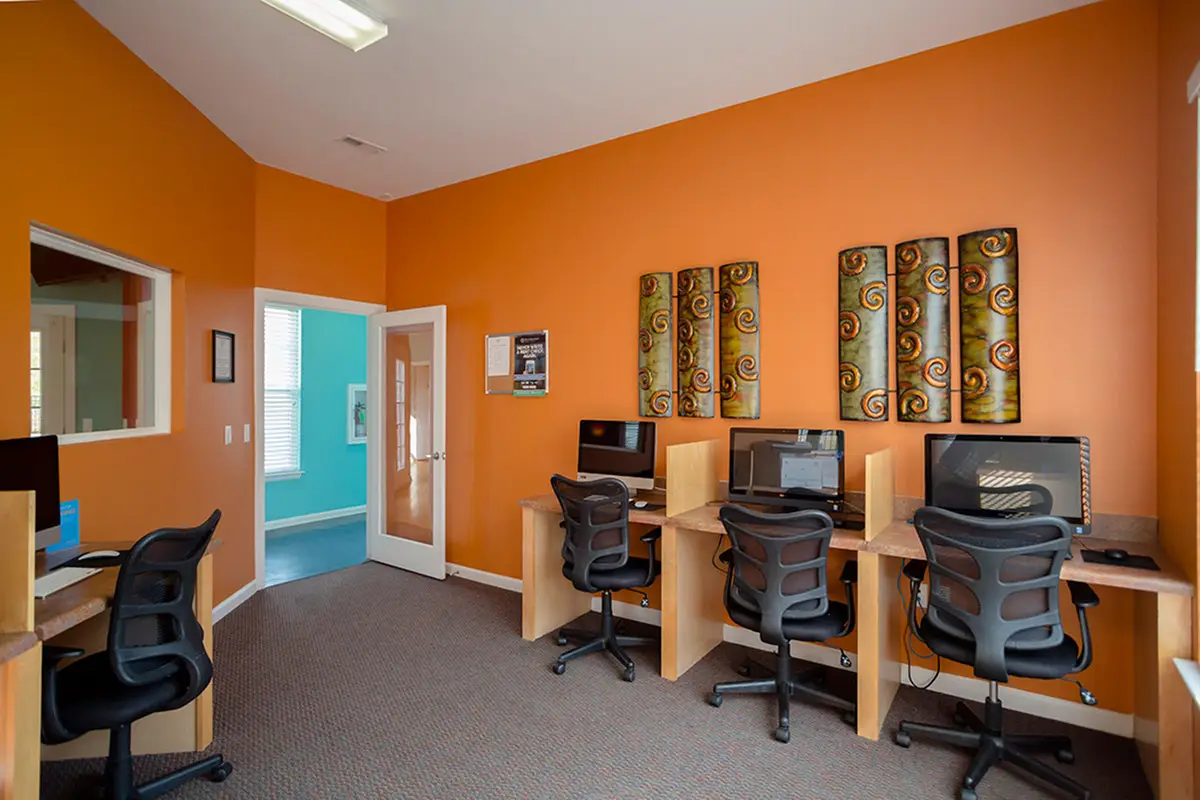
Mountain Valley bedrooms include walk-in closets and individual bathrooms, which can help keep personal belongings and morning routines contained. The community also has lounge and study areas shown in its gallery. Having more than one place to work can be useful when the apartment feels distracting or a roommate needs the common area.
Try not to move your study setup every day. A consistent location reduces the small decisions that make it easier to delay starting. Keep chargers, pens, headphones, and frequently used materials nearby. That way, sitting down is the first step, not searching the apartment for a missing adapter.
Build a Routine Around Your Energy
Not everyone studies best at the same time. Some people can focus before an early class, while others need an hour to become fully alert. Pay attention to when reading, writing, or problem-solving feels least difficult. Then protect one or two regular blocks during that period.
This does not have to become a strict schedule with every minute assigned. In fact, that usually falls apart. A more realistic plan might be reviewing notes after the last class on Monday, handling longer assignments on two weekday evenings, and using Sunday afternoon for planning. Leave some open space because college weeks are rarely predictable.
Use Travel Time as Part of the Plan
A study routine starts before you sit at the desk. Think about transportation, class timing, meals, and the energy it takes to move between places. Mountain Valley offers shuttle service toward campus during the fall and spring academic periods, providing another option for residents planning their daily route. Check community information and current transportation details so you know how the shuttle fits your class schedule.
Use short pockets of time intentionally. A shuttle ride may be enough to review flash cards, check the day’s deadlines, or organize a task list. It may also be the right time to do nothing and reset. Productivity advice sometimes ignores that part, but a few quiet minutes can make it easier to focus later.
Set Shared-Space Expectations
Roommates do not need identical study habits, but they do need a little communication. Talk about quiet times, guests, music, shared table use, and how everyone will handle busy exam weeks. Keep the conversation practical rather than creating a long list of rules. A simple agreement about headphones after a certain hour may solve more than a detailed chart.
Individual bathrooms in Mountain Valley apartment layouts can reduce some of the scheduling pressure that comes with shared living, while private bedrooms provide a separate space to study or recharge. Explore the floor plans to see how bedroom and common-area arrangements differ.
Plan for Breaks Before You Need Them
Studying for several hours without moving sounds disciplined, but it often becomes less productive as time passes. Schedule short breaks to stretch, refill water, eat, or step outside. Mountain Valley’s fitness room and full-size basketball court can make physical activity easier to work into the day, while the outdoor pool, sundeck, and barbecue areas offer seasonal places to unwind when weather allows.
The break does not have to become a full workout. Ten minutes of movement can be enough to clear the fog. I think this is one of those habits that feels optional until you notice how much easier the next hour becomes.
Keep Food and Laundry From Becoming Emergencies
Schoolwork becomes harder when basic chores pile up. Choose a regular laundry window and keep a few easy meals available for especially busy days. Prepare ingredients rather than elaborate recipes if that is more realistic. Washed fruit, cooked rice, sandwich supplies, or a ready-to-heat meal can prevent the late-evening decision to skip dinner.
Use one short weekly reset to clean the desk, empty trash, review groceries, and check the calendar. It may take less than an hour. More importantly, it keeps the apartment from becoming another source of stress during the week.
Make the System Easy to Restart
No routine works perfectly. A difficult week, illness, travel, or one large assignment can disrupt everything. Instead of treating that as failure, decide how you will restart. Clear the desk, choose the next three tasks, and begin with the smallest one. The routine should support you, not become another assignment you are behind on.
When considering apartments Morgantown residents can use for both everyday living and focused schoolwork, look for a balance of personal space, shared areas, transportation, and amenities that support breaks. The apartment cannot complete the work for you, unfortunately. It can, however, make a steady routine feel more possible.
Key Takeaways
- Choose a consistent, practical study location with the supplies you use most.
- Plan study blocks around your natural energy rather than an idealized schedule.
- Include transportation, meals, chores, and recovery time in your weekly routine.
- Discuss quiet hours and shared-space expectations with roommates early.
- Create a simple reset process for weeks when the routine gets disrupted.